
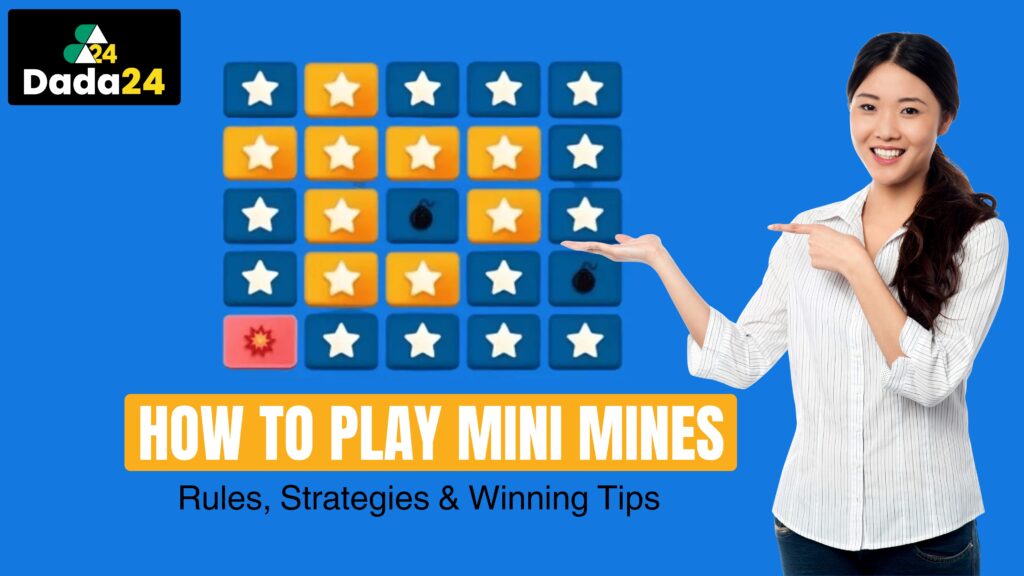

Simple but exciting mini-mines require strategy and quick thinking. Seeking safe squares, players negotiate a grid dotted with secret mines. Revealing as many safe areas as feasible is the goal; avoid the mines. Essential advice and techniques to enable you to shine in Mini Mines are included in this book.
Mini Mines: An Overview of the Game
Players of the puzzle game Mini Mines try to avoid secret mines. There are several squares on the grid, some with mines. You want to expose safe squares free from mining impact. Accidental disclosure of a mine finishes the game. Every disclosed tile hints about the count of surrounding mines. Mini Mines challenges your capacity for analytical thinking, perseverance, and good decision-making.
Mini Mines gives a smaller grid for faster gameplay than standard Minesweeper. For players of fast-paced puzzle games, this appeals. One can play the game online or offline on several devices. Let’s find how to play mini mines through this blog.
A Beginner’s Guide to Setting Up Mini Mines
Mini Mines are easy to set up and call for little planning. Choose the game mode and grid size appropriate for your expertise. Beginners would find smaller grids perfect; larger grids provide more challenge.
Once the game gets underway, the grid will randomly hide a designated number of mines. Clicking or pressing a tile lets players reveal it. Should you reveal a safe square, the game continues. Should it include a mine, the game ends right away.
Many Mini Mine variants provide choices on difficulty levels for personalizing. The grid pattern and mine count are yours to change. Learning these parameters will enable you to choose a suitable beginning point.
How to Play Mini Mines: The Rules

1. We want to expose all safe squares without running over a mine.
Mini Mines aims to expose all safe squares, clearing the grid. Every time you come upon need to be clear of secret mines. The difficulty is spotting safe squares while avoiding those with mines. The game stops immediately if you unintentionally expose a tile bearing a mine. Players who want to win must make deliberate decisions and carefully consider the hints. Reaching this goal requires rational thinking, patience, and an intentional game style.
2. Every Revealed Square Indicates Nearby Mines
Revealing a square shows a number indicating the count of mines in surrounding squares. These figures are like hints guiding you across the grid securely. If a disclosed square displays the number “2,” two mines are concealed among the eight surrounding squares. Finding which squares are safe and which are dangerous depends on the numbers. Advancing in the game depends on paying great attention to these numerical hints.
3. Use These Figures to Determine Hidden Mine Location
Determining the precise sites of secret mines depends on the numbers found on disclosed squares. Analyzing trends and matching numbers on adjacent squares will help you deduce where the mines might be. For example, several mines are nearby if several squares indicate high counts in a given location. Players can methodically find safe squares and note possible mine sites with this knowledge. Mastering Mini Mines mostly requires this deductive method.
4. Players can flag suspected mines to prevent accidental clicks
Players can mark the areas with flags to stop unintentional clicks on suspected mine sites. One essential ability that keeps you aware of possible mine locations is flagging. Once a square is flagged, it acts as a visual warning not to click it. Using flags correctly reduces the chance of Triggering a mine and lets you concentrate on emptying the last safe spaces. Successful gameplay depends critically on strategic flagging, particularly in challenging grids.
The game ends either a mine is activated, or all safe squares are disclosed. Making wise selections mostly depends on closely examining the numbers. These hints provide insightful analysis of possible mining sites.
Fundamental Strategies for Mini Mine Success

Beginning with a well-defined plan helps you to succeed in Mini Mines.
1. Expose Corner Squares
Start by looking at corner squares; they typically offer helpful starting hints. Usually having fewer nearby squares, corners are less dangerous to expose. These squares can provide a rapid indication of where mines might be found. Once you know this, you can start working more boldly.
2. Apply the Elimination Process
Mini Mines rely primarily on the process of elimination as a tactic. Examine the displayed square counts to identify which surrounding squares are safe. A square displaying “1,” for instance, most certainly contains a mine if just one adjacent square remains unclicked. Eliminating impossible choices lets you avoid pointless risks and make safer movements.
3. Mark Mine: Late
Mark suspected mine sites using flags right away upon identification. This tracks risky squares and helps you prevent inadvertent clicks. Early flagging lets you concentrate on cleaning the grid’s safe zones free from second-guessing. Maintaining control and moving through the game depend on correct flag placement.
4. Work is divided into sections
Break up the grid into smaller pieces and concentrate on clearing one region at a time. This approach lowers the possibility of blunders and ignoring essential hints. Focussing on smaller pieces helps you to solve the riddle methodically and reduces the chance of setting off a mine.
Working section by section also aids in keeping a neat and orderly attitude throughout the game.
Avoiding early game-ending errors calls for these fundamental techniques. Your talents will advance with regular practice and a rational approach.
Modern Strategies to Boost Your Mini Mine Game
Applying advanced tactics will improve your gameplay once you have mastered the foundations.
1. Analyze Number Patterns
Extensively examine the numbers on exposed squares to find possible mine clusters. Every number shows the nearby mine count to that square. Studying these trends will help you to forecast the likely grouping of several mines. Early recognition of these clusters allows you to avoid risky locations and arrange your movements.
2. Use Probability
Assess the likelihood of a square being safe or dangerous in unclear circumstances. For instance, figure the probability of each square having a mine if just a few remain, and you know the overall count of mines. Using probability, a random guess might become a deliberate choice, augmenting your chances of success.
3. Recognize Common Configurations
Learn often occurring typical mine placements and layouts in Mini Mines. Some patterns, such as a “1” next to a single unopened square, usually point to a mine. Knowing these configurations helps you to make faster decisions and cuts the time required for every action.
4. Switch Strategies
Change your approach depending on the development of the game and the exposed hints. Early in the game, concentrate on compiling data and clearing safe regions. Change your strategy to be more careful as the grid fills in and negotiate the remaining squares using probabilities and flags.
Being adaptable guarantees that you can adequately manage simple and complex circumstances.
Advanced players navigate challenging grids using a mix of logic and randomness. These methods lower risk and improve accuracy.
Advanced Techniques to Improve Your Game in Mini Mines
Your Mini Mine success rate will be much improved by avoiding frequent blunders.
• Rushing: Playing too fast sometimes results in hurried decisions, which might cause inadvertent clicks and errors, ending the game. You must slow down and give every action great thought.
• Ignoring Clues: Numbers on exposed squares offer essential details on surrounding mines. Ignoring these hints can significantly lower your chances of winning the game.
• Skipping Flags: Should you fail to identify suspicious mines with flags, you can unintentionally click on them later and cause loss. Marking potential mines keeps you safe and prevents expensive mistakes.
• Not Adjusting Difficulty: Playing at an overly high difficulty level can feel overwhelming and demoralizing. Choosing a level that matches your experience helps maintain an enjoyable and balanced challenge.
Avoiding these errors mostly depends on patience and thoroughness. Results will improve if one slows down and moves deliberately.
How to Manage Your Bets and Bankroll in Mini Mines

Maintaining a sustainable gaming experience depends on your bankroll management should you want to play Mini Mines for real money. Create a budget before playing to guarantee you follow it through the game. Instead of pursuing losses, raise your bets to help offset past losses. This approach can rapidly empty your money and usually results in more danger. Instead, keep inside your means to ensure your gaming sessions are free from financial worry.
Starting with lesser wagers will help one develop confidence and lower first losses. This lets you progressively become used to the game without running too great a risk. Record your victories and defeats also to monitor your development. Examining your performance will assist you in modifying your approach and enhancing the next gameplay. Reasonable bankroll control improves your enjoyment and prospects of a long-term, fulfilling Mini Mine experience.
Tips for Finding Patterns and Predicting Outcomes in Mini Mines
Predicting results in Mini Mines requires a crucial ability in pattern recognition.
• Identify Safe Zones: Low-number clusters, say 1 or 2, usually imply fewer mines nearby. Often safer to expose initially, these areas allow you more space to widen your search without running the danger of a loss.
• View High-Risk Areas: Usually indicating a higher mine density, high numbers—such as 8 or 9—suggest avoiding clear squares at these values since they are more likely to feature a mine, raising the chance of a game-ending error.
• Use Edge Strategies: Edge squares—especially those close to corners—often offer better hints about where to place myself. Early revealing of these squares will enable you to acquire essential data and prevent needless middle-grid risk-taking.
• Track Your Movement: Maintaining a mental or written notebook of past movements helps avoid repeating dangerous behaviour. This approach allows you to make better selections and lessens the possibility of unintentionally clicking on already examined squares.
Though it takes time, developing pattern detection abilities produces more beneficial results. Improving your prediction skills mostly depends on practice.
Conclusion
Finish Mastery of Mini Mines calls for a mix of logic, strategy, and thorough preparation. Success in the game depends on knowing its rules and using simple and sophisticated approaches. Managing your bets and avoiding typical errors improve your gaming performance. Recognizing trends and forecasting results will become second nature over time. Regular practice will help you develop into a competent Mini Mines player who can negotiate even the most demanding grids.

I’m Casino Game Master, your expert guide to navigating the world of casino games. With a deep love for gaming and years of experience, I focus on simplifying the rules and strategies of popular casino games, making them easy to understand and enjoy.
Whether you’re just starting out or looking to sharpen your skills, my detailed guides are designed to help you play with confidence.
My mission is to break down the complexities of each game, giving you the knowledge and tools to elevate your gameplay and increase your chances of success. When you’re ready to up your game, I’m here to help you to strategies.